


A Journey Through Time: The History Of the Savana Cutaway
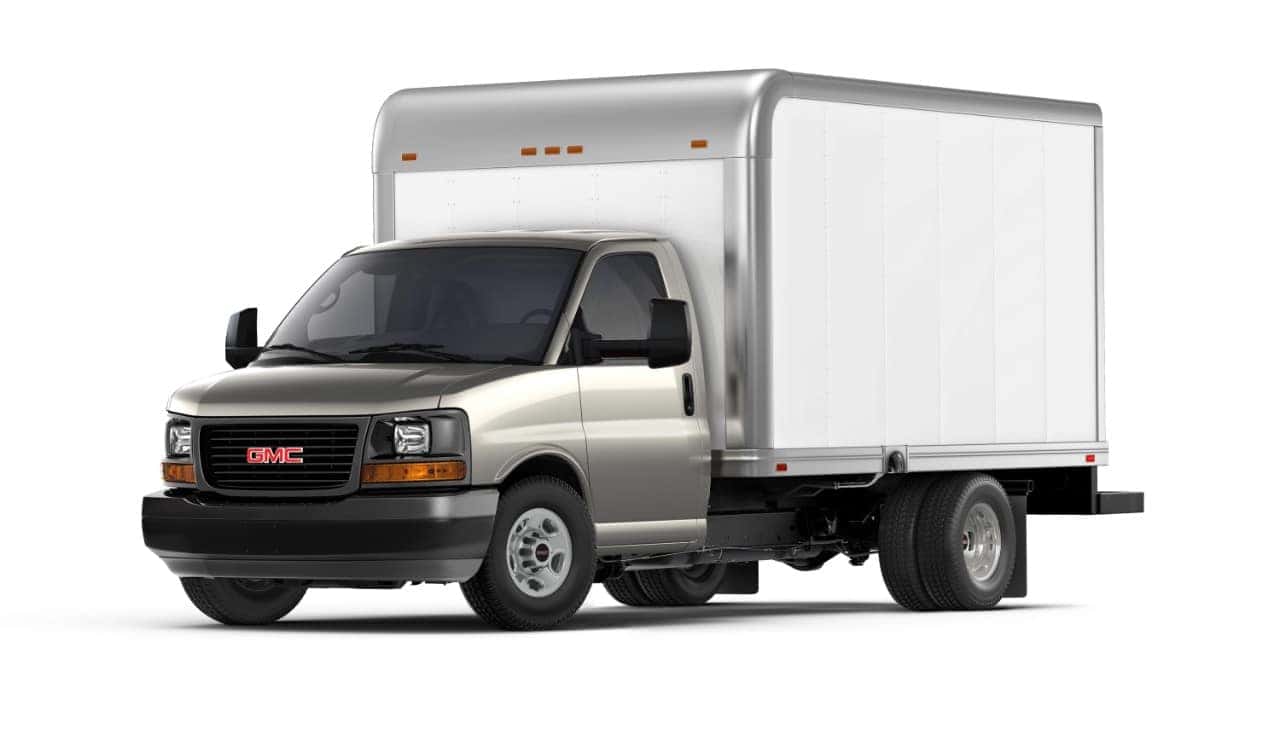
The history of the Savana Cutaway is deeply intertwined with the evolution of commercial vehicles in North America. The Savana Cutaway, produced by General Motors under the GMC brand, has a storied history that reflects the changing needs of businesses and the automotive industry’s commitment to providing versatile and reliable solutions.
Introduction in the Late 20th Century: The Birth of a Workhorse
The roots of the Savana Cutaway can be traced back to the late 20th century when General Motors introduced the GMC Vandura and Chevrolet Van as part of its full-size van lineup. These vans, known for their robust construction and adaptability, quickly became popular choices for various commercial applications.
As demand for customizable and versatile commercial vehicles increased, General Motors recognized an opportunity to expand its offerings. In the late 1990s, the Savana Cutaway emerged as a distinct variant, featuring a stripped-down chassis designed to accommodate various upfits and modifications. This marked the beginning of the Savana Cutaway’s journey as a reliable workhorse for businesses.
Adaptability for Diverse Industries: Meeting Varied Business Needs
Throughout the early 2000s, the Savana Cutaway continued to evolve to meet the diverse needs of businesses across industries. Its open cargo area allowed for easy customization, transforming the vehicle into specialized solutions for applications such as delivery vans, shuttle buses, ambulances, and recreational vehicles.
The adaptability of the Savana Cutaway made it a preferred choice for businesses that required a versatile platform for their specific operations. Its robust chassis provided a solid foundation for upfitters and businesses to tailor the vehicle to their unique requirements, solidifying the Savana Cutaway’s reputation as a go-to solution for commercial applications.
Technological Advancements: Keeping Pace with the Times
As technology advanced in the automotive industry, the Savana Cutaway kept pace with the times. Updates to the vehicle’s powertrain, safety features, and connectivity options reflected General Motors’ commitment to incorporating modern innovations into its commercial lineup.
Efficiency became a key focus, with the introduction of more fuel-efficient engines and advanced transmission systems. Safety features, including airbags and stability control, were enhanced to meet evolving safety standards. Connectivity options, such as advanced infotainment systems and telematics, were integrated to improve driver experience and facilitate fleet management.
Continued Popularity and Evolution: 21st Century and Beyond
The Savana Cutaway continued to enjoy popularity well into the 21st century. Its reputation for durability, adaptability, and dependability made it a staple for businesses ranging from small enterprises to large corporations. The model underwent various updates to comply with emission standards, integrate advanced safety technologies, and offer improved fuel efficiency.
In recent years, the Savana Cutaway has embraced environmental considerations by incorporating more sustainable materials in its construction. This aligns with the automotive industry’s broader shift toward eco-friendly practices, demonstrating GMC’s commitment to environmental responsibility.
Conclusion: A Legacy of Reliability and Adaptability
The history of the Savana Cutaway is a testament to its enduring legacy of reliability and adaptability. From its inception as a stripped-down chassis to its evolution into a versatile and technologically advanced commercial vehicle, the Savana Cutaway has consistently met the diverse needs of businesses.
As it continues to evolve in response to changing market demands, the Savana Cutaway remains a symbol of General Motors’ commitment to providing businesses with a dependable platform that can be customized to excel in various industries. Whether transporting goods, people, or serving as a specialized work vehicle, the Savana Cutaway has carved out a lasting place in the history of commercial vehicles in North America.