


Essential Tips for Staying Safe on Winter Roads
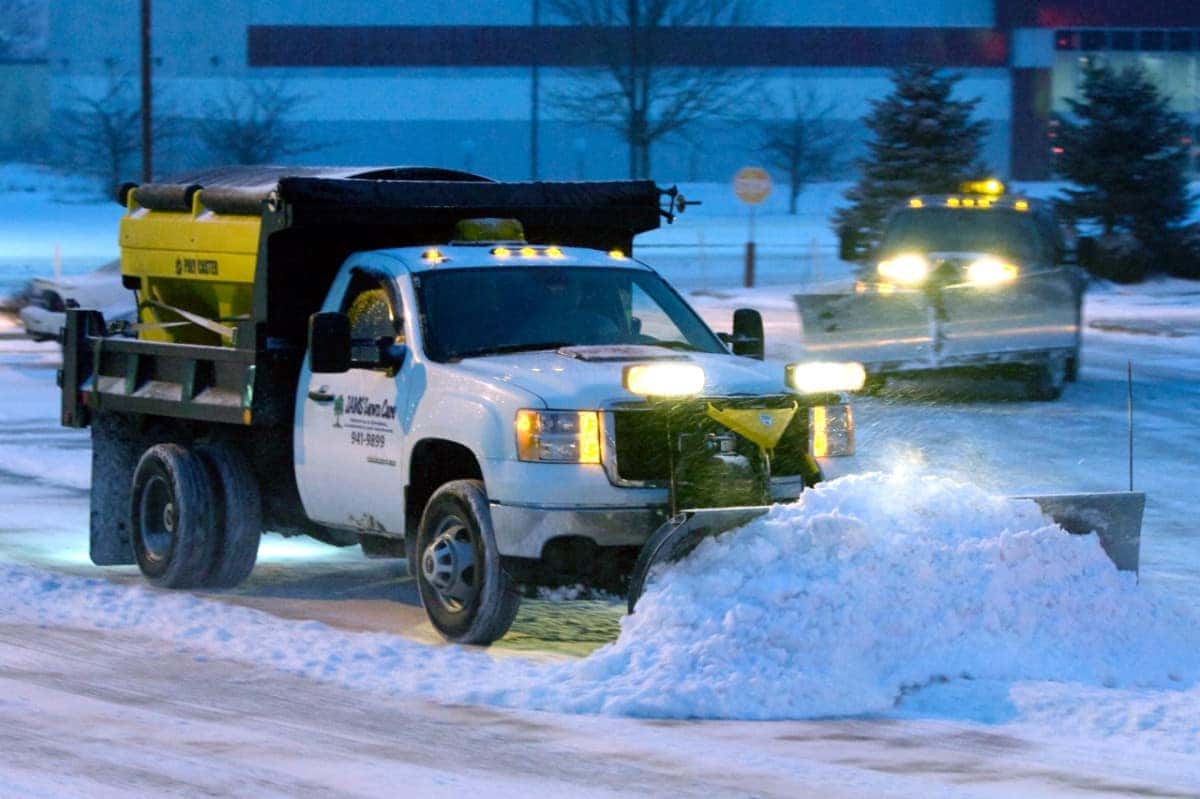
Driving in snow can be challenging and hazardous, but with the right precautions and techniques, you can stay safe on winter roads. Snow and ice create slippery conditions that reduce traction, making it essential to adjust your driving habits. Here are some tips on how to stay safe while driving in snow:
1. Prepare Your Vehicle:
- Winter Tires: Consider installing winter tires, which provide better grip in cold and snowy conditions. These tires are designed to handle low temperatures and slippery surfaces.
- Check the Battery: Ensure your vehicle’s battery is in good condition as cold weather can put a strain on it. If it’s old or weak, consider replacing it before winter.
- Maintain Proper Fluid Levels: Check and top off engine coolant, windshield washer fluid, and other essential fluids. Make sure your windshield washer fluid contains antifreeze to prevent it from freezing.
- Windshield Wipers: Replace old or worn wiper blades with new ones designed for winter conditions to maintain good visibility.
- Emergency Kit: Carry an emergency kit in your vehicle, including items like blankets, a flashlight, a first-aid kit, non-perishable food, and warm clothing.
2. Clear Snow and Ice:
- Before You Drive: Remove all snow and ice from your vehicle, including windows, mirrors, lights, and the roof. Snow on the roof can slide onto the windshield while driving, obstructing your view.
- Use a Snow Brush and Ice Scraper: Keep these tools in your vehicle to quickly and effectively clear snow and ice.
3. Drive Cautiously:
- Slow Down: Reduce your speed and increase your following distance to allow for longer braking distances. It takes more time to stop on slippery roads.
- Smooth Movements: Avoid sudden acceleration, braking, or steering. Make gentle, gradual inputs to maintain control.
- Brake Carefully: If your vehicle has antilock brakes (ABS), apply steady pressure to the brake pedal. If not, use a pumping motion to prevent wheel lockup.
- Avoid Cruise Control: Do not use cruise control on icy or snowy roads. You want to maintain full control of your vehicle at all times.
- Stay in Tire Tracks: Follow in the tire tracks of the vehicle in front of you, as they may have created a path with better traction.
4. Uphill and Downhill Driving:
- Uphill: Gain momentum before reaching a hill, and maintain a steady speed while climbing. Avoid stopping on the hill if possible, as it can be difficult to get moving again.
- Downhill: Reduce your speed before descending and use a lower gear to control your descent. Avoid riding the brakes continuously, as it can lead to overheating and loss of braking effectiveness.
5. Use Proper Lights:
- Visibility: Turn on your headlights to increase your visibility to other drivers, even during the day.
- Fog Lights: If your vehicle is equipped with fog lights, use them when visibility is reduced by falling snow.
6. Know How to Handle a Skid:
- Front-Wheel Skid: If the front of your vehicle starts to skid, ease off the accelerator and steer in the direction you want to go.
- Rear-Wheel Skid: If the rear of your vehicle skids, steer in the direction you want to go, but don’t overcorrect.
7. Plan Ahead:
- Check Road Conditions: Before heading out, check the weather forecast and road conditions. Consider delaying your trip if conditions are severe.
- Inform Someone: Let someone know your route and expected arrival time, especially if you’re traveling in remote or rural areas.
Remember that safety should always be your top priority when driving in snow. If conditions become too hazardous, it’s better to pull over and wait for conditions to improve or seek shelter. By following these tips and being prepared, you can navigate snowy roads with confidence and reduce the risk of accidents during the winter season.