


GMC’s Green Revolution: Navigating Sustainable Manufacturing and Eco-Friendly Materials in 2024 Vehicles
In a world increasingly concerned with environmental sustainability, GMC has emerged as a frontrunner in implementing eco-friendly practices throughout its manufacturing processes and material choices. The commitment to sustainability is evident in the brand’s dedication to reducing its carbon footprint, embracing green manufacturing, and incorporating environmentally conscious materials into its vehicles. Let’s delve into GMC’s sustainability initiatives and how they are shaping a more eco-friendly future for the automotive industry.
One cornerstone of GMC’s sustainability efforts lies in its green manufacturing practices. The company has invested significantly in incorporating energy-efficient technologies and renewable energy sources into its manufacturing facilities. By utilizing solar power, energy-efficient lighting, and advanced environmental control systems, GMC aims to minimize its impact on the environment during the production phase.
Moreover, GMC has implemented waste reduction and recycling programs across its manufacturing plants. By optimizing production processes and recycling materials, the brand reduces the amount of waste generated and minimizes its contribution to landfills. This comprehensive approach to waste management aligns with the principles of a circular economy, where resources are used efficiently, and waste is minimized through recycling and reusing materials.
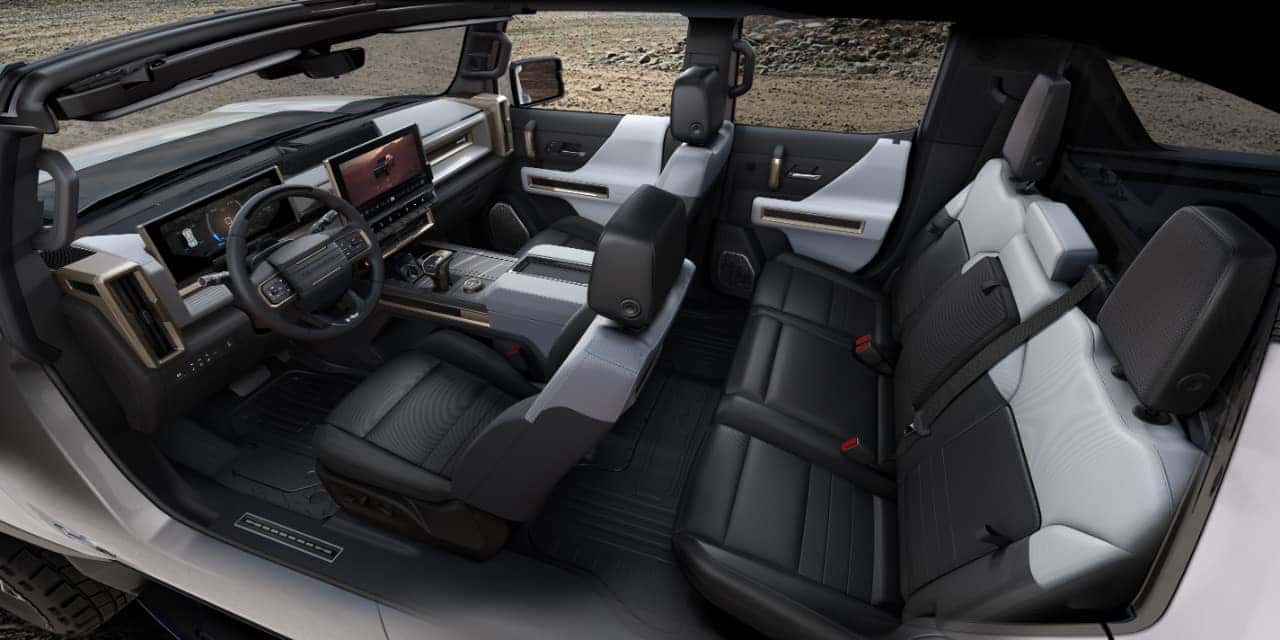
GMC’s commitment to sustainability extends beyond the manufacturing floor to the materials used in its vehicles. The brand actively seeks out eco-friendly alternatives, aiming to reduce the environmental impact of its vehicles throughout their life cycle. For instance, recycled and sustainable materials find their way into the interior design of GMC vehicles, offering both a luxurious feel and an environmentally responsible choice.
In addition to utilizing recycled materials, GMC has embraced the concept of “closed-loop recycling.” This involves using materials that can be recycled at the end of a vehicle’s life to create new components. By closing the loop and reusing materials, GMC contributes to a more sustainable and circular approach to automotive manufacturing.
GMC has also made strides in incorporating plant-based and bio-based materials into its vehicles. These materials, derived from renewable sources such as soybeans and natural fibers, serve as alternatives to traditional petroleum-based components. By diversifying material sources, GMC reduces its dependence on finite resources and lessens the environmental impact associated with extracting and processing fossil fuels.
The brand’s commitment to sustainability is not limited to its manufacturing practices; it extends to the vehicles themselves. GMC has introduced a range of fuel-efficient and electric vehicles, contributing to the reduction of greenhouse gas emissions and promoting cleaner transportation options. The adoption of electric powertrains aligns with the global shift towards sustainable mobility, and GMC’s investment in electric vehicle technology demonstrates a commitment to a greener automotive future.
Moreover, GMC actively participates in carbon offset programs to mitigate the emissions generated during the manufacturing and operational phases of its vehicles. By investing in projects that reduce or capture carbon emissions, the brand seeks to balance its environmental impact and contribute to broader sustainability goals.
In conclusion, GMC’s sustainability initiatives represent a comprehensive and forward-thinking approach to environmental responsibility within the automotive industry. From green manufacturing practices that prioritize energy efficiency and waste reduction to the incorporation of eco-friendly materials and the development of electric vehicles, GMC is actively shaping a more sustainable future for both the brand and the automotive sector as a whole. As consumers increasingly prioritize sustainability, GMC’s commitment to eco-friendly practices positions it as a leader in the drive towards a greener and more environmentally conscious automotive landscape.