


The History Of The GMC Canyon
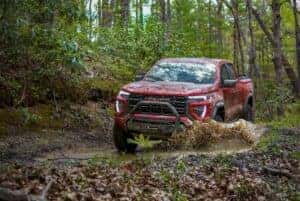
The GMC Canyon, a mid-size pickup truck, has an interesting history that reflects the evolution of consumer preferences and the automotive industry’s changing landscape. Introduced in 2004 as a replacement for the GMC Sonoma, the Canyon has become a staple in the pickup truck market, known for its versatility, capability, and distinct design.
Early Years and Introduction (2004-2012): The GMC Canyon made its debut in 2004 alongside its corporate cousin, the Chevrolet Colorado. Both models were designed to fill the gap between compact trucks and full-size pickups, offering a more manageable size while still providing substantial cargo and towing capacities. During its initial years, the Canyon offered a variety of engine options, including inline-four and inline-five engines, catering to different power and efficiency needs.
Design and Features Evolution (2012-2015): In 2012, the Canyon underwent a refresh that brought updated styling and enhanced interior features. The exterior received design cues to align with GMC’s modern design language, featuring a bold front grille and distinctive headlights. The interior saw improvements in materials and technology, making the driving experience more comfortable and connected.
Hiatus and Return (2013-2015): Interestingly, production of the GMC Canyon was temporarily halted after the 2012 model year due to various factors, including changing consumer demands and economic considerations. However, recognizing the continued demand for mid-size trucks, GMC decided to reintroduce the Canyon for the 2015 model year.
Second Generation (2015-Present): The second-generation GMC Canyon, introduced in 2015, marked a significant step forward in terms of design, technology, and capabilities. The new Canyon featured a more modern and refined exterior design, with improved aerodynamics and advanced lighting technology. The interior received an upgrade in terms of materials, comfort, and tech features, catering to the evolving expectations of pickup truck buyers.
One of the most notable additions to the second-generation Canyon was the availability of a diesel engine option, which provided excellent fuel efficiency and impressive towing capabilities. This move resonated with buyers seeking a balance between power and economy.
Over the years, GMC has continued to enhance the Canyon’s features, offering advanced driver assistance systems, infotainment options, and various trim levels to cater to a wide range of customers, from those looking for a capable work truck to those seeking a more luxurious driving experience.
Electric Future (Upcoming Trends): As the automotive industry shifts toward electrification and sustainability, GMC has announced plans to introduce an all-electric version of the Canyon. This move aligns with the growing interest in electric trucks and the desire to reduce the environmental impact of vehicles. The electric Canyon, which is expected to launch in the coming years, will likely bring a new dimension to the model’s history, representing the brand’s commitment to innovation and adaptability.
In conclusion, the history of the GMC Canyon reflects the ever-changing landscape of the pickup truck market. From its early years as a mid-size truck offering versatility to its modern iterations that emphasize design, technology, and sustainability, the Canyon has evolved to meet the demands and preferences of consumers. With its upcoming electric variant, the Canyon is poised to continue its journey as a relevant and innovative player in the competitive pickup truck segment.