


The Hummer EV: From Military Icon to Electric Revolution
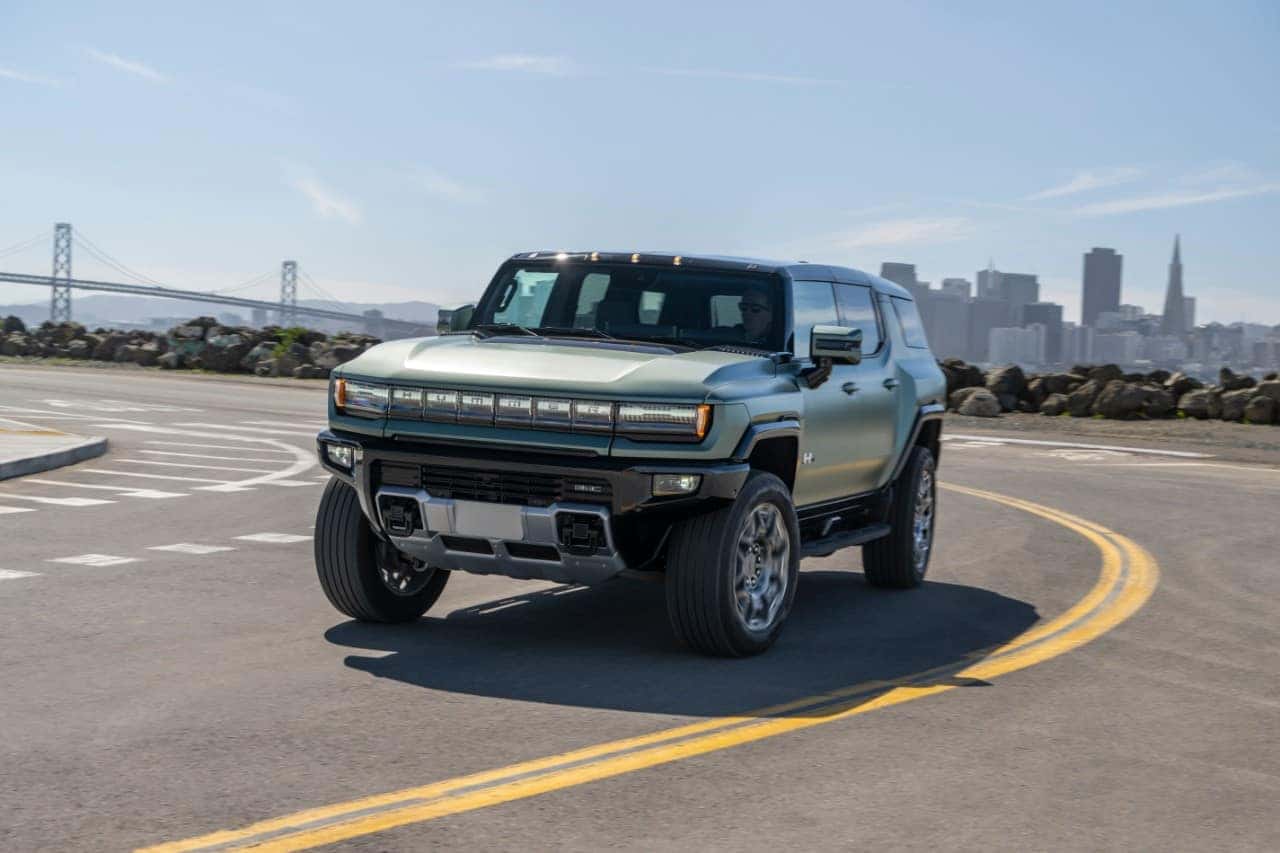
The Hummer EV, an all-electric pickup truck, is a revolutionary vehicle that has its roots in a storied history. Its journey from gas-guzzling military vehicle to eco-friendly electric truck is a testament to the evolving priorities of the automotive industry and society’s growing environmental consciousness.
Origins in Military Heritage: The Hummer brand traces its origins to the military. In the late 1970s, the United States military sought a replacement for its aging fleet of Jeeps and other utility vehicles. The result was the High Mobility Multipurpose Wheeled Vehicle (HMMWV), commonly known as the Humvee. These rugged and capable vehicles became iconic symbols of American military might, renowned for their off-road prowess and durability.
Civilian Transition: In the early 1990s, AM General, the company responsible for manufacturing the military Humvees, introduced a civilian version known as the Hummer H1. The H1 retained the military Humvee’s distinctive and imposing appearance, making it a status symbol for the wealthy and adventurous. Its massive size, powerful engine, and off-road capabilities appealed to a niche market of enthusiasts.
The Rise of H2 and H3: As the H1 gained popularity among celebrities and off-road aficionados, General Motors (GM) saw an opportunity to expand the Hummer brand. In 2003, GM introduced the Hummer H2, a slightly more practical and luxurious SUV. The H2 retained the bold styling and off-road capabilities of the H1 while offering more comfort and amenities for everyday use.
In 2005, GM introduced the Hummer H3, a smaller and more affordable SUV. The H3 aimed to broaden the brand’s appeal by making it accessible to a wider range of consumers.
Environmental Concerns and Brand Challenges: Despite the brand’s success, Hummer faced criticism for its association with excessive fuel consumption and environmental concerns. As concerns about climate change and fuel efficiency grew, the brand’s image suffered. Rising gas prices and changing consumer preferences led to a decline in sales.
The Hummer EV’s Rebirth: In 2010, amid economic difficulties and a changing automotive landscape, GM discontinued the Hummer brand. The last Hummer H3 rolled off the assembly line in 2010, marking the end of an era.
However, the Hummer brand would not remain dormant for long. In October 2020, GM announced the resurrection of the Hummer as an all-electric vehicle under the GMC brand. This announcement came as a response to the increasing demand for electric vehicles (EVs) and a commitment to sustainability.
The Hummer EV Unveiling: On October 20, 2020, GMC officially unveiled the Hummer EV in a virtual event that generated significant excitement. The vehicle’s specifications were impressive, with a claimed 0-60 mph time of just three seconds, up to 1,000 horsepower, and an estimated range of over 350 miles on a single charge. These figures positioned the Hummer EV as a formidable competitor in the EV market, combining performance and capability.
Advanced Technology and Features: The Hummer EV boasts several innovative features, including the CrabWalk mode, which allows the vehicle to move diagonally, enhancing its off-road capabilities. Its modular Ultium battery platform, shared with other GM electric vehicles, promises scalability and efficiency.
The Road Ahead: The Hummer EV represents a significant shift for the Hummer brand and a milestone in the automotive industry’s transition to electric mobility. It embodies the evolution of the Hummer from a symbol of excess to a symbol of innovation and sustainability.
In conclusion, the history of the Hummer EV is a journey from its military origins to its rebirth as an all-electric pickup truck. The Hummer EV showcases the adaptability and forward-thinking approach of General Motors, embracing the future of automotive technology and addressing environmental concerns while preserving the brand’s iconic image. As electric vehicles become increasingly prevalent, the Hummer EV stands as a testament to the industry’s commitment to change and progress.